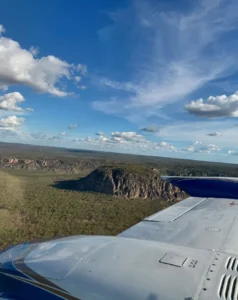

Katherine Gorge, in the heart of Nitmiluk National Park in Australia’s Northern Territory, is a one of a kind destination. Carved by the Katherine River through layers of ancient sandstone, this 13 gorge system has towering cliffs, waterfalls and kilometres of walking trails that attracts nature lovers, photographers and adventurers.
The gorge is in sandstone country and showcases the wildlife of this rugged landscape. Freshwater crocodiles, beautiful birds and native animals and occasional exotic animals are all on show. Explore the gorge by boat cruise, scenic cruise, kayak or on foot along walking trails and you will see an amazing variety of species. Many Katherine tours offer the opportunity to explore these ecosystems with expert guides and cultural storytelling.
Contents
The Seasons and Wildlife Sightings
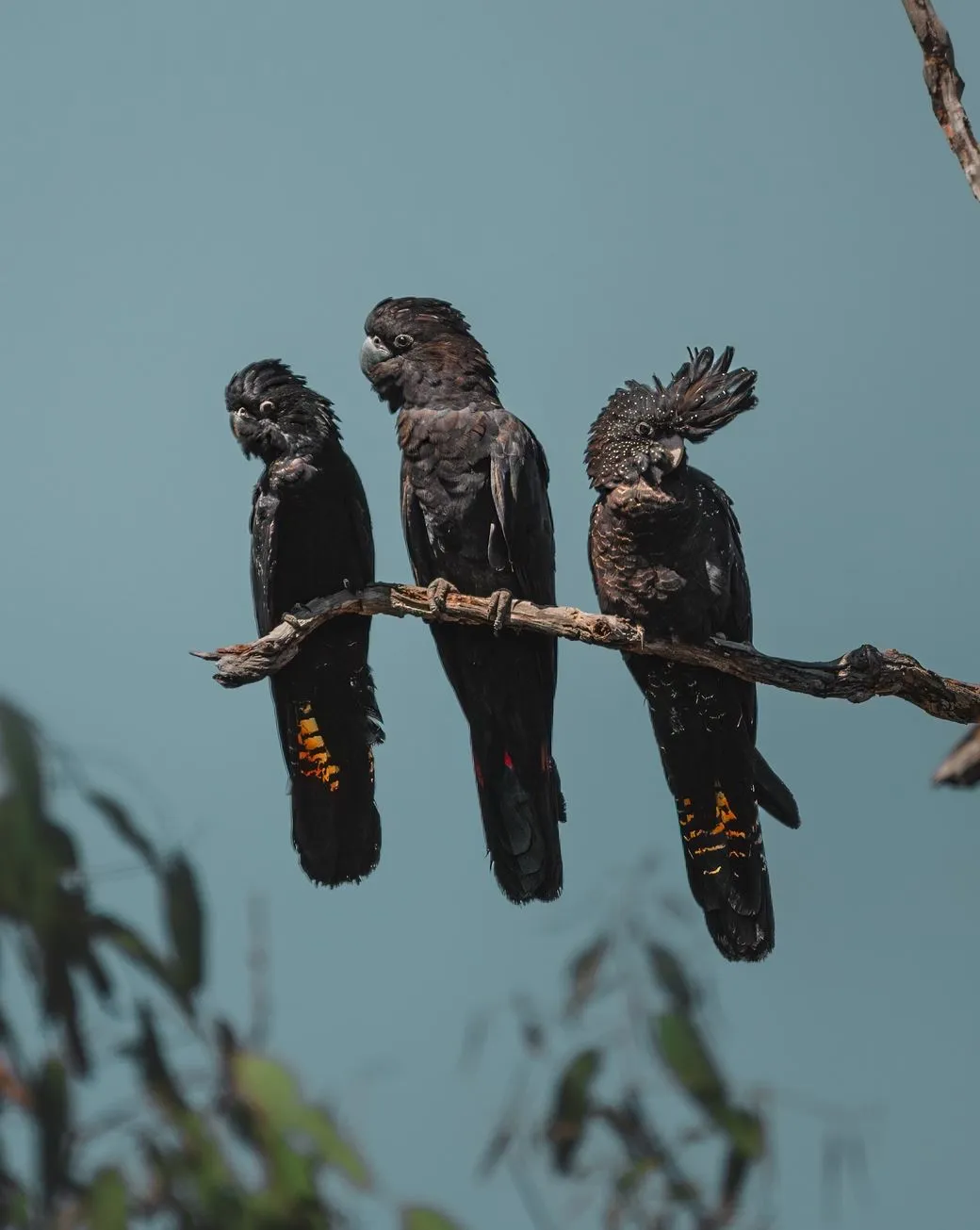
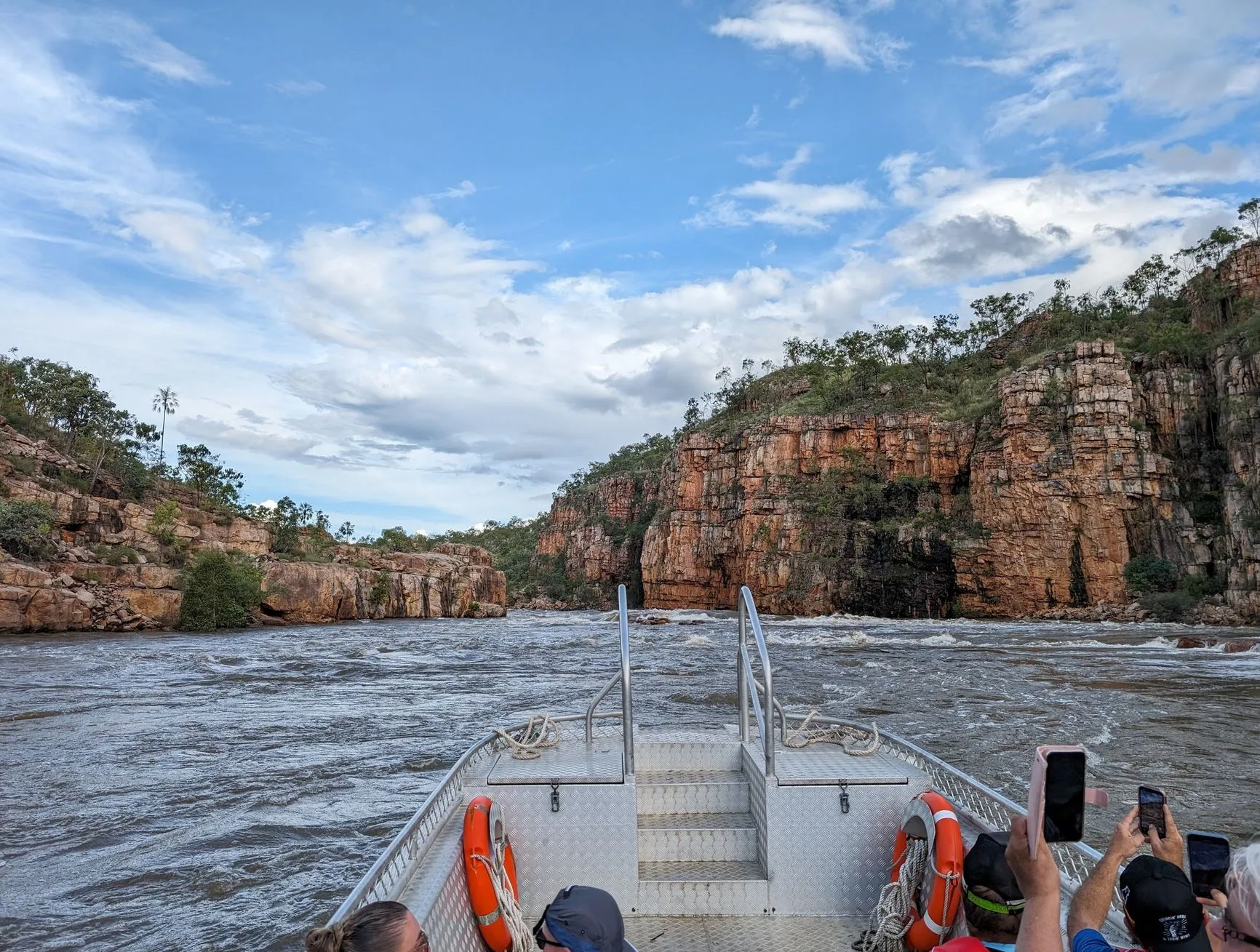
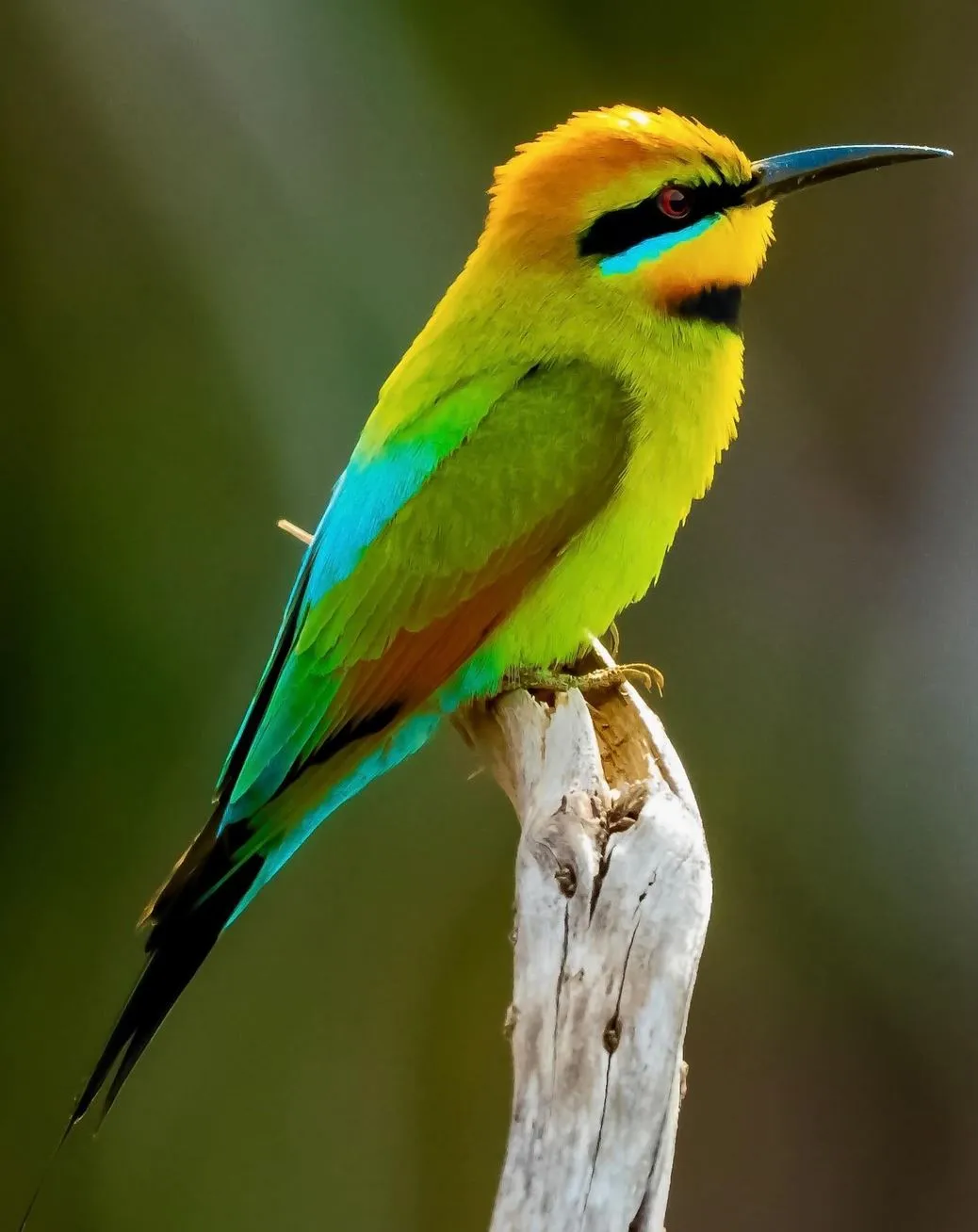
Katherine Gorge is a dynamic environment and the wildlife activity is influenced by the seasons. In the dry season the water levels drop and it’s the perfect time to access the full network of walking trails and swim in selected areas. It’s also the best time for scenic cruises and boat transfers between the separate gorges. Bird tours and hikes at this time often see rainbow bee-eaters and red-tailed black cockatoos.
Katherine Gorge tours from Darwin in the dry season are of great value, combining wildlife viewing with cultural insights from local guides.
In the wet season the landscape transforms into a green oasis. The increased rainfall fills the gorge and brings out the birds as frogs and aquatic life thrive in the temporary pools and wetlands. Boat transfers and swimming areas are adjusted according to the water levels so check with the visitor centre for pick up time and pick up location.
Mammals
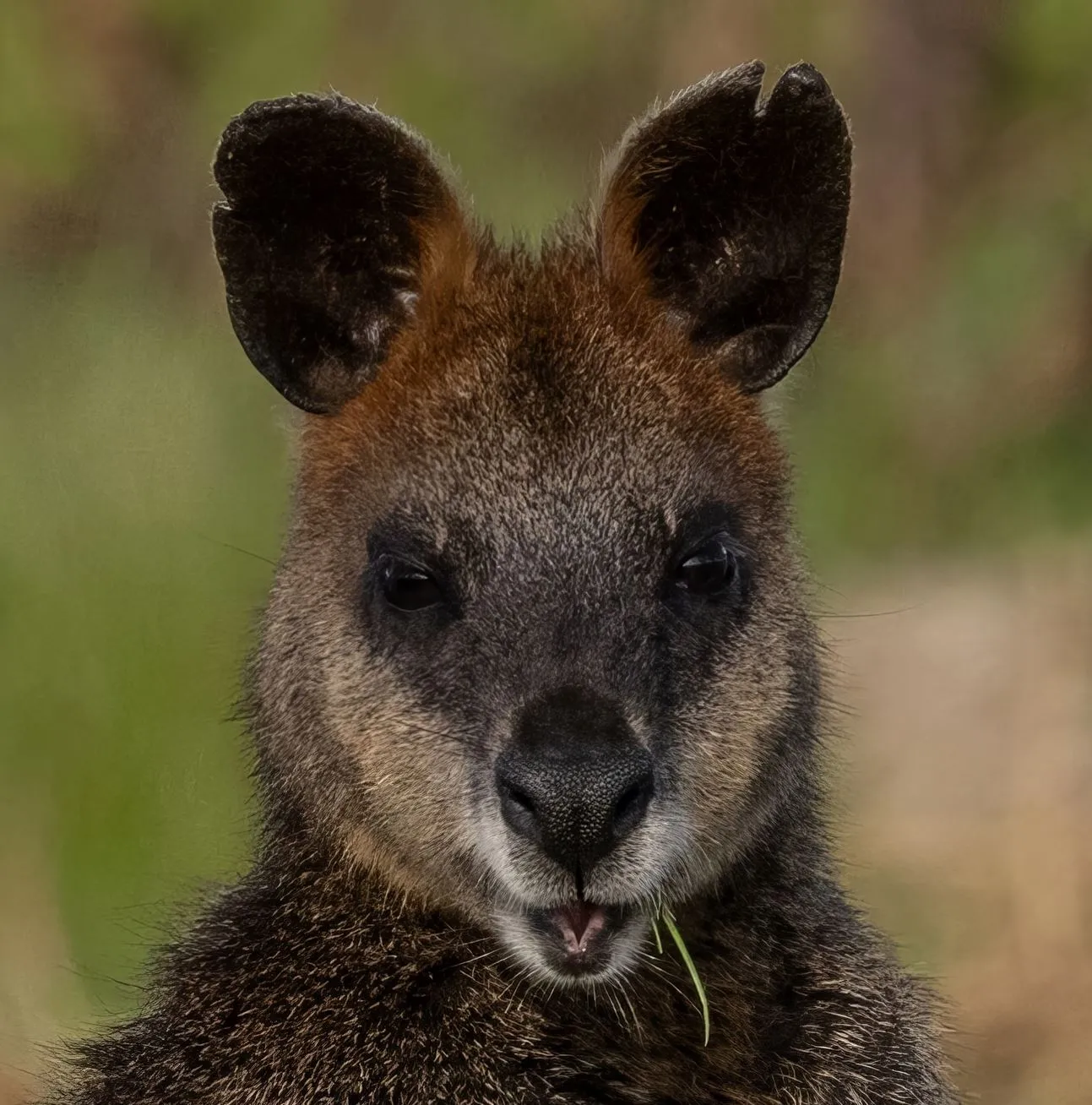
Katherine Gorge has native animals. Agile wallabies are often seen eating vegetation near campgrounds and trails. These little marsupials are easy to spot early in the morning. Short-eared rock wallabies are found among the rocks of the ancient landscape and are more elusive and rely on camouflage to avoid predators. At dusk or dawn you may hear or see sugar gliders flying between trees. Dingoes, Australia’s wild dogs, are often seen on the edges of the gorge and help to maintain the balance of the ecosystem. Occasionally you may see exotic animals that have been introduced to the area but conservation efforts are in place to protect the native wildlife that live in this amazing landscape.
Wildlife Katherine tours from Darwin often depart early in the morning to see these amazing mammals in their natural environment.
Reptiles and Amphibians
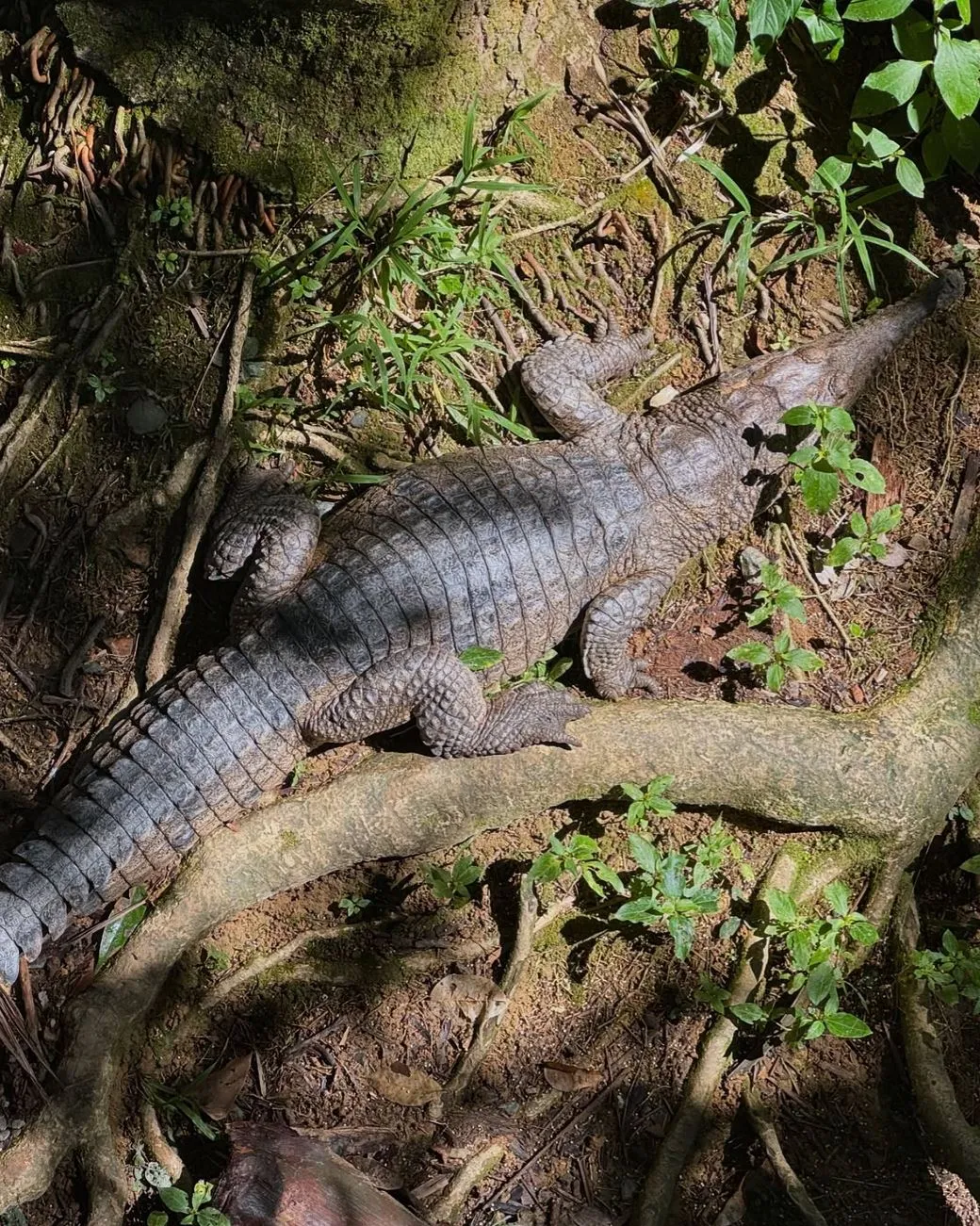
Reptiles love Katherine Gorge, freshwater crocodiles being the most iconic. You can often see them basking on rocks or riverbanks along the water. They are generally not aggressive but their saltwater crocodile cousins which are far more deadly may enter the gorge during the wet season. These occurrences are monitored by park rangers and safety notices are posted regularly.
Other reptiles include goannas, blue-tongue lizards and a range of skinks. Amphibians like the green tree frog, marbled frog and ornate burrowing frog are especially vocal during the wet season and their croaks fill the sandstone country.
Several tours from Darwin to Katherine Gorge feature reptile spotting and educational talks about their role in the local ecosystem.
Birdwatching Paradise
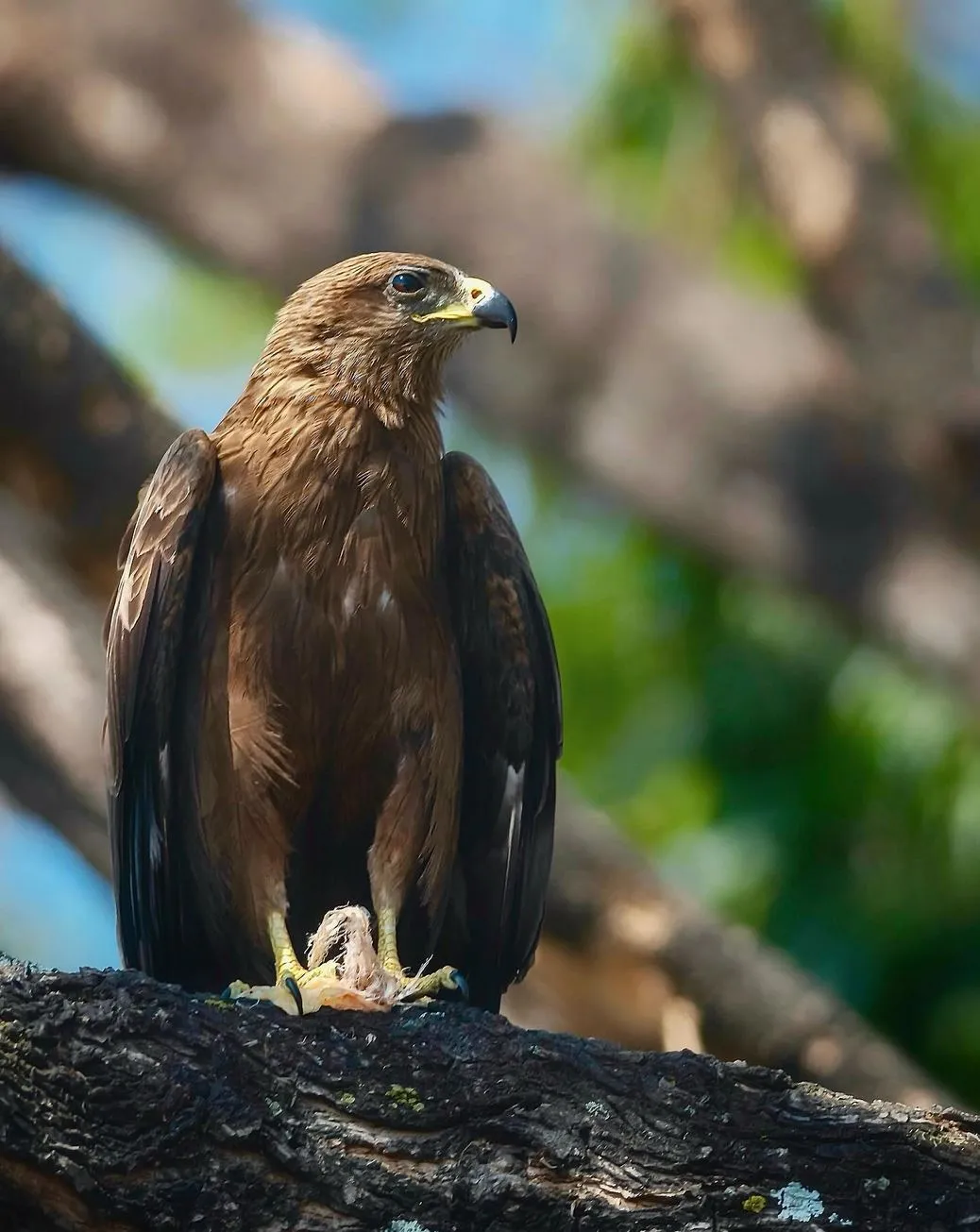
Katherine Gorge is birdland with over 200 species documented. Whether you are a casual observer or a dedicated birder the gorge offers stunning opportunities to see birds in their natural habitat. Red-tailed black cockatoos, black kites, kingfishers and rainbow bee-eaters are common.
Waterways attract beautiful birds like darters, herons and egrets while higher elevations and woodland areas are home to finches, honeyeaters and whistlers. Guided bird tours from the visitor centre will give you insights into bird behaviour, habitats and migration patterns. Bird activity is especially high in the early morning – the best time for birdwatching.
Many Katherine tours cater for bird enthusiasts with early departures and expert guides who will help you identify and interpret the bird species seen throughout the gorge.
Fish and Aquatic Life
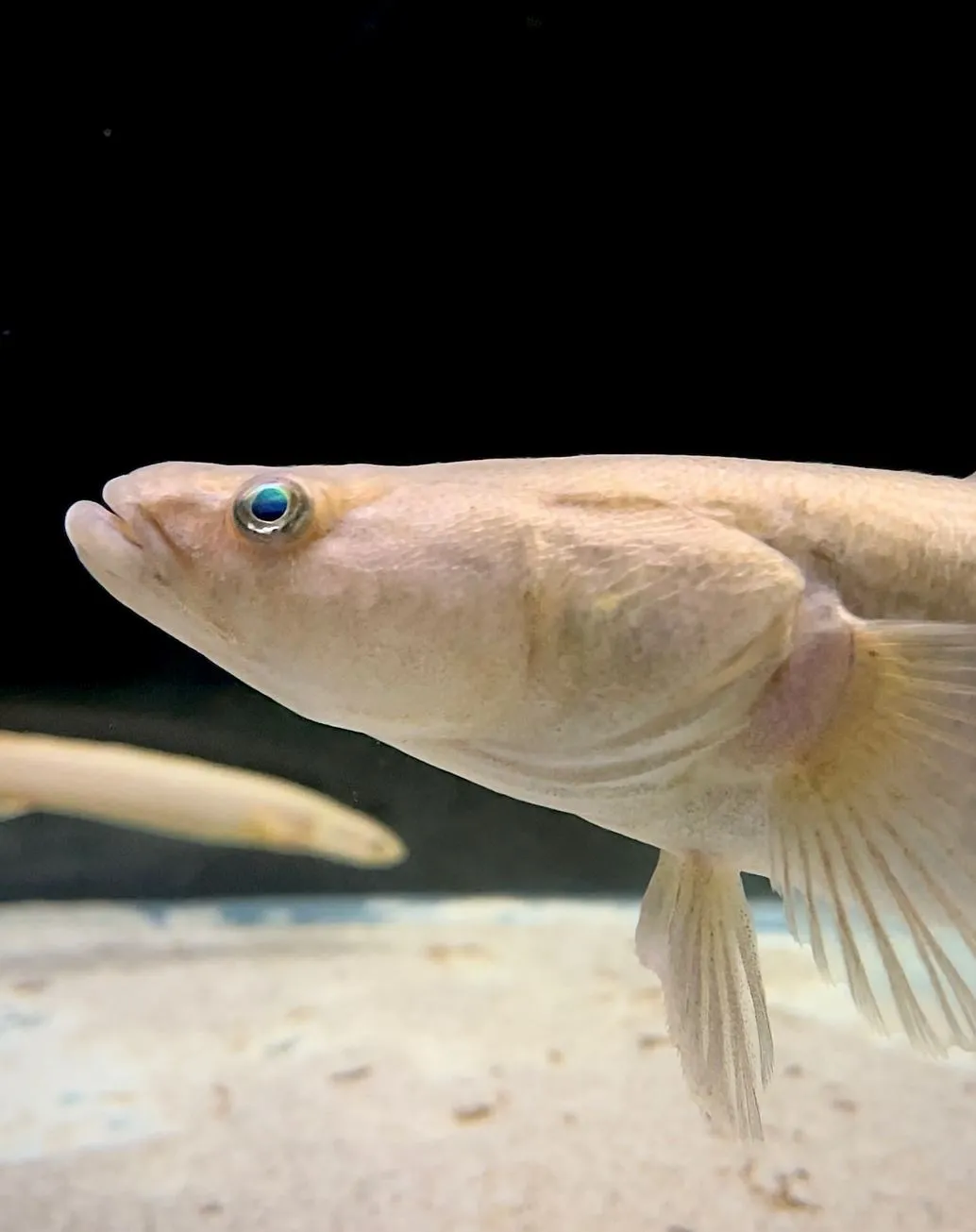
The Katherine River has a diverse aquatic ecosystem. Barramundi is the prized catch and is here year-round. Other species include sleepy cod, sooty grunters and freshwater catfish. During the wet season new pools and channels form and fish migrate and breed so activity is higher throughout the gorge.
Insects and Other Invertebrates
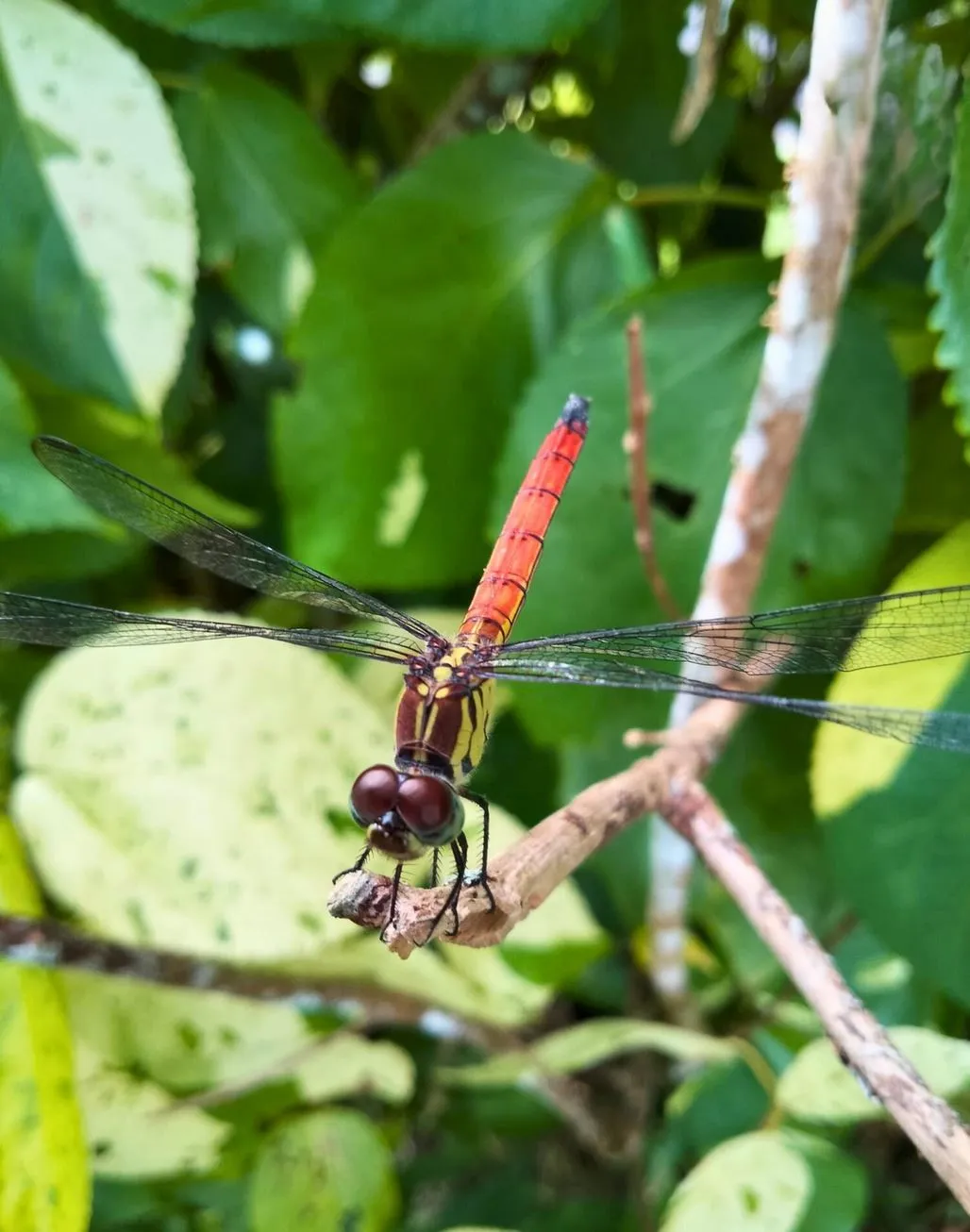
The lush, humid conditions of Katherine Gorge also support a wide range of insects. Dragonflies hover above the water, butterflies along the trails and native bees in flowering trees. Golden orb-weaver spiders spin massive webs between branches and their shimmering silk is often visible early in the hike. Ants, beetles and other invertebrates are a vital part of the food chain in this old system, food for birds, reptiles and mammals. Seeing these tiny creatures will give you a deeper understanding of the delicate balance of life in this place.
Cultural Connection and Conservation
Katherine Gorge is not just a place of ecological importance but also holds deep cultural significance. The traditional owners of the land, the Jawoyn people, have lived in harmony with this ancient landscape for thousands of years. Their knowledge of native wildlife, seasonal cycles and sustainable practices continues to guide conservation efforts today.
Visitors are asked to respect the cultural heritage and environmental rules of the park. Taking a guided scenic cruise or visiting the visitor centre can help you understand the spiritual and ecological value of the land. Katherine Tours, led by Jawoyn guides, will give you an authentic connection to the stories and traditions of the land.
Plan Your Visit
When planning your trip to Katherine Gorge consider the time of year and how it affects accessibility and wildlife viewing. The dry season is best for hiking the many trails and boat cruises. The visitor centre has information on weather conditions, pick up locations and updated trail maps.
For those who want to see the gorge in its most pristine state, guided tours offer unforgettable experiences across the separate gorges. Whether it’s walking, bird watching or taking a scenic cruise through the heart of sandstone country, every moment is magic. Katherine tours range from half day to multi day trips, with options for families, photographers and wildlife lovers.
FAQ
Are there crocodiles in Katherine Gorge?
Yes, freshwater crocodiles are common along the riverbanks and within the gorge system. They are shy and pose no risk when undisturbed. Saltwater crocodiles may enter the area during the wet season but are managed by park authorities.
What’s the best time to see animals in Katherine Gorge?
The best time to see wildlife is early morning or late afternoon in the dry season when many species are most active and walking trails are open.
Can I swim in Katherine Gorge safely?
Swimming is allowed in designated areas, particularly in the dry season when the water levels are lower and freshwater crocodiles are the only crocodile species present. Always check with the visitor centre for safety warnings.
What birds can I see in the gorge?
Katherine Gorge is home to an amazing array of bird species including red-tailed black cockatoos, rainbow bee-eaters, herons and black kites. Bird tours are available for those who want to learn more and visit beautiful spots. Do I need a guide to see wildlife?