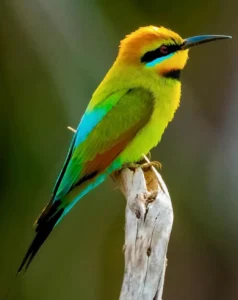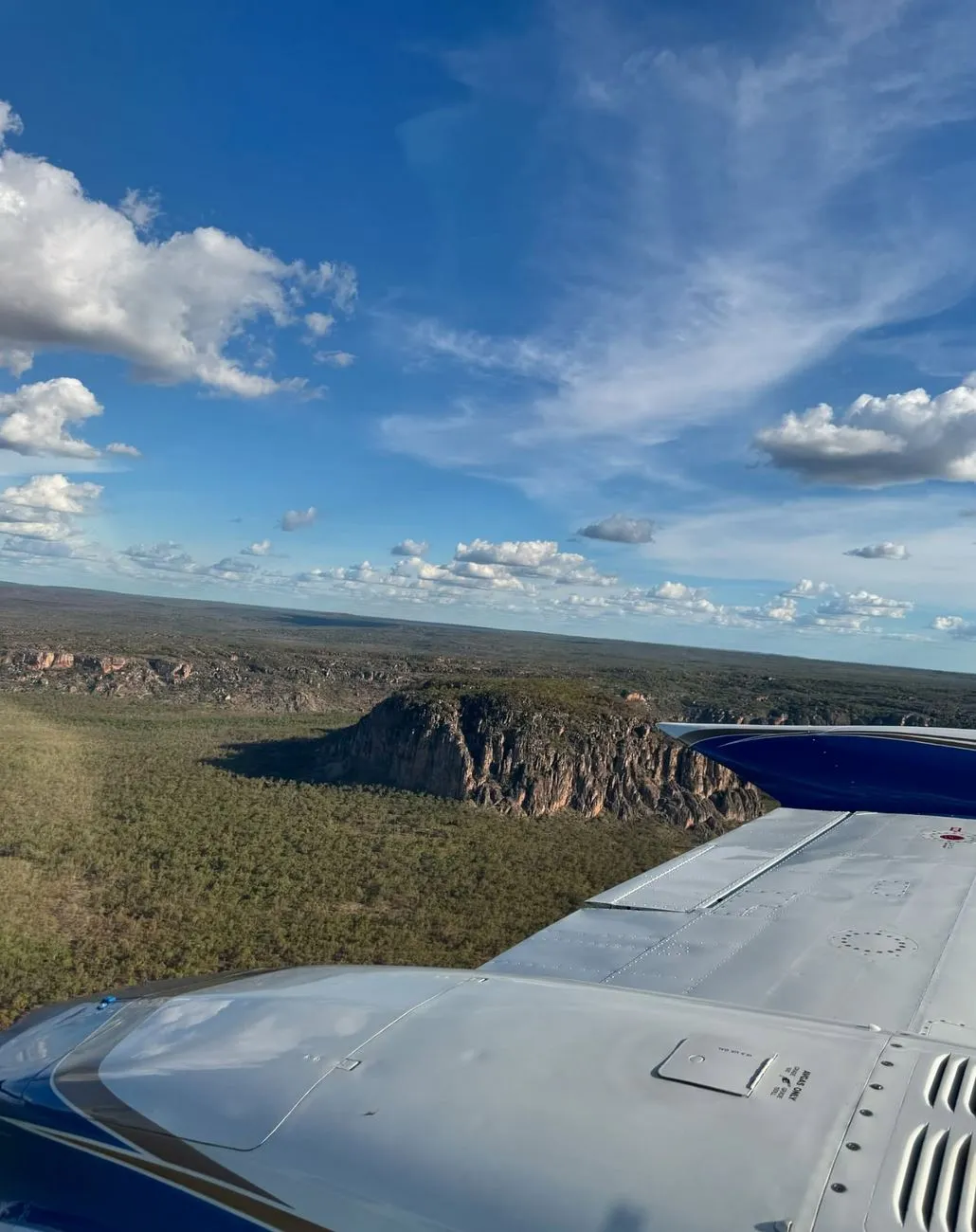

Kakadu National Park is a UNESCO World Heritage site famous for its rugged landscape, wildlife and deep Aboriginal culture. But how did Kakadu get its name? To understand the real meaning behind this national park you need to look at both its cultural and natural heritage – from ancient art sites and rock shelters to unique birds and waterfalls. Visitors often combine their Kakadu trip with trips to nearby destinations like Litchfield National Park and Nitmiluk (Katherine Gorge) making the Top End a nature lover’s paradise. For a full experience a 3 day Kakadu tour is the way to see the park’s highlights and learn about its history.
Contents
Quick Facts
Here’s a table to help you plan your trip:
| Feature | Description |
|---|---|
| Location | Northern Territory, Australia |
| UNESCO Status | World Heritage (cultural & natural) |
| Traditional Owners | Bininj/Mungguy Aboriginal peoples |
| Languages | Formerly Gagudju, Kunwinjku, Jawoyn, and more |
| Size | 19,804 square kilometres |
| Bird Species | Over 280 species, including endemic and migratory birds |
| Reptile Species | Over 120 species, including saltwater crocodiles |
| Best Time to Visit | May to October (dry season) |
| Nearby Destinations | Litchfield National Park, Nitmiluk (Katherine Gorge), Arnhem Land |
| Tour Options | Guided safaris, scenic flights, 3-day Kakadu tours, Wildlife Tours excursions |
The Aboriginal Origins
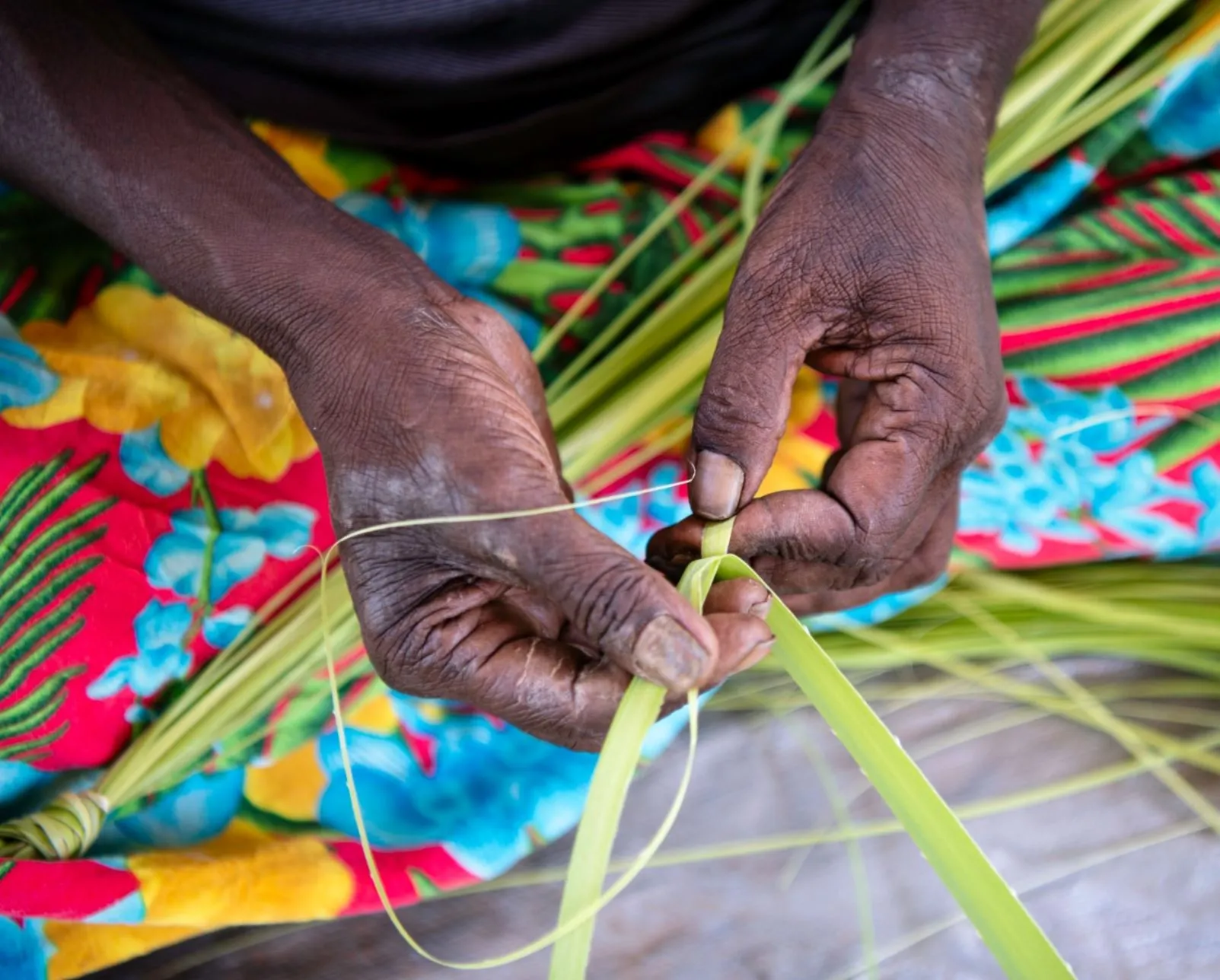
The name “Kakadu” comes from “Gagudju,” the name of an Aboriginal language spoken in the northern part of the park. Early European explorers, sailing boats up the coastal waters, misheard “Gagudju” and wrote it down as “Kakadu.” Today, the word connects visitors with the Aboriginal peoples who have lived here for over 65,000 years, maintaining a range of wildlife and thriving through the wet season and dry season.
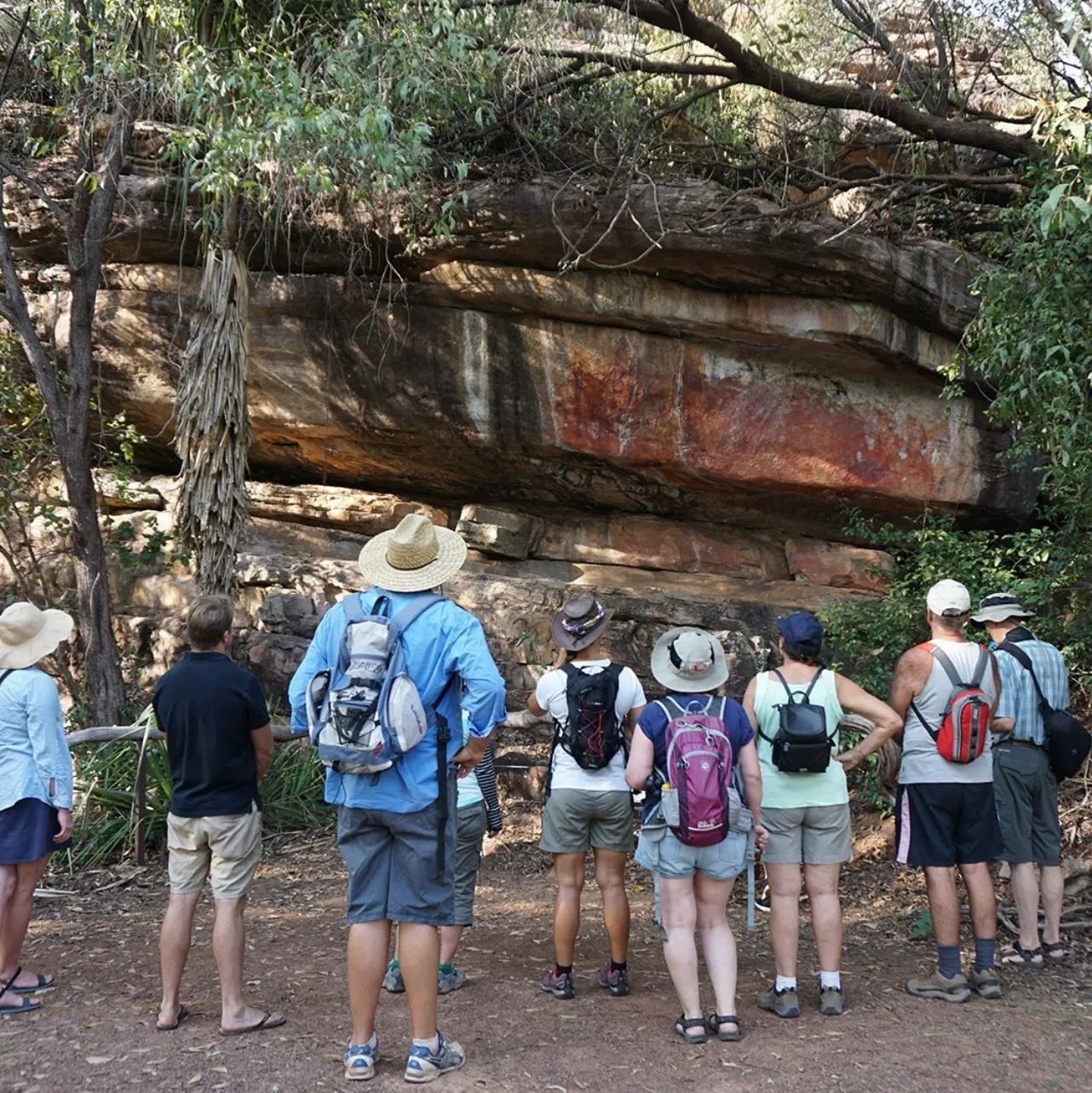
Kakadu’s art sites and rock art styles, with impressive paintings, tell stories of wet season hunting, people in touch with the land and animal life—from saltwater crocodiles basking on river banks to marbled frog calls in isolated waterholes. The park’s external source of rich culture and stories makes it one of the most important national parks in Australia. On a 3-day Kakadu tour you will visit some of these amazing rock shelters and art sites and get a glimpse into the area’s history.
Natural Wonders: Many Habitats
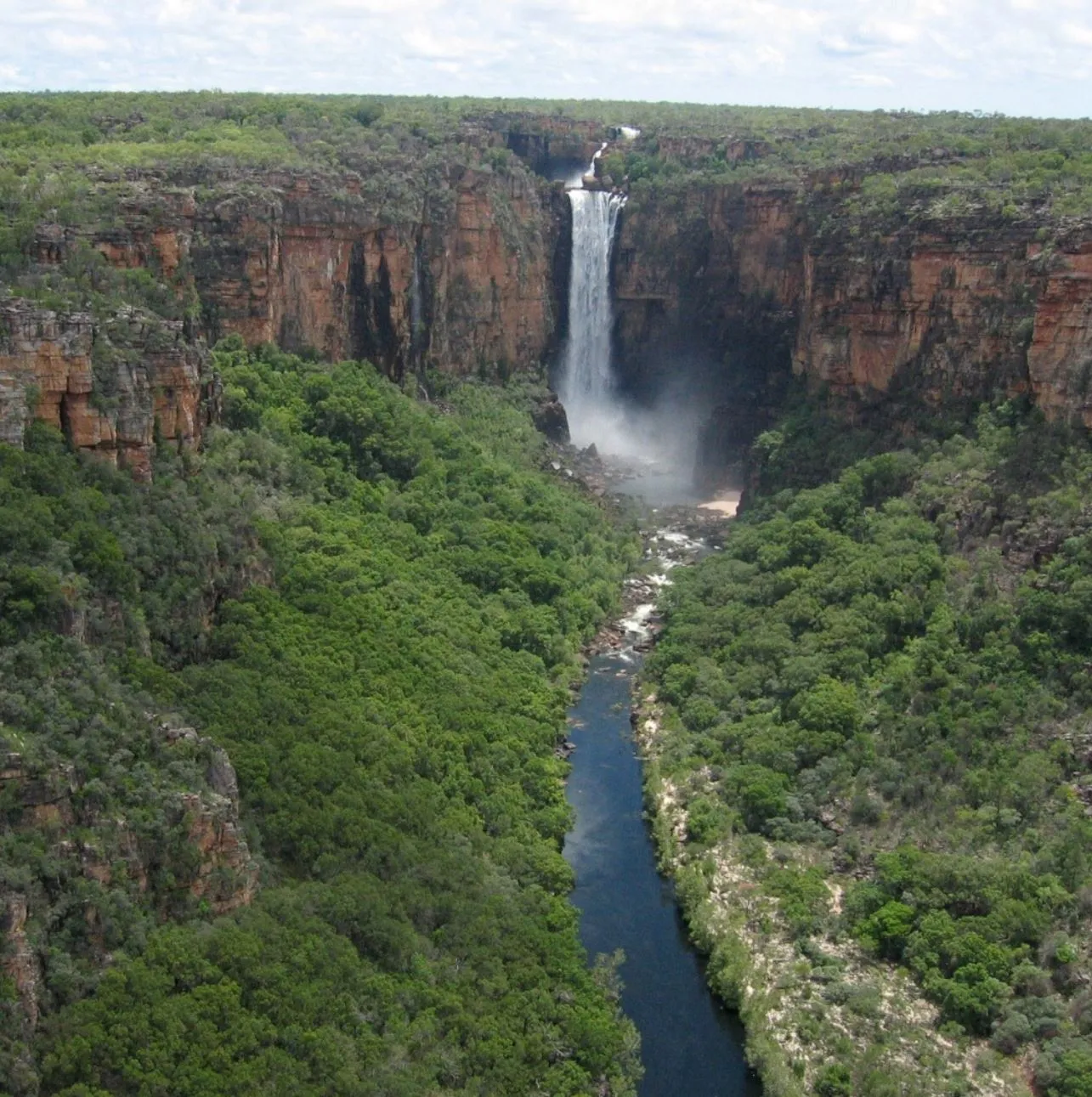
Kakadu has many habitats, outlying formations, southern hills, volcanic origin outcrops and abundant plant life. The park is home to hundreds of thousands of birds, a bird species haven, frog species and endemic plants that thrive in both dry and wet conditions.
In the wet season, waterfalls are full, breeding grounds for reptiles and frog calls echo across the land. In the dry season, temperature extremes and no water shape hardy succulents and commercial camping sites near scenic flights and mining camps. The climate extremes challenge animal life but Kakadu’s abundant wildlife—from saltwater crocodiles to unique frog species—is a nature lover’s dream. Many visitors book excursions with Wildlife Tours to see the wildlife or choose a Kakadu tour that explores the many habitats.
Early Settlement
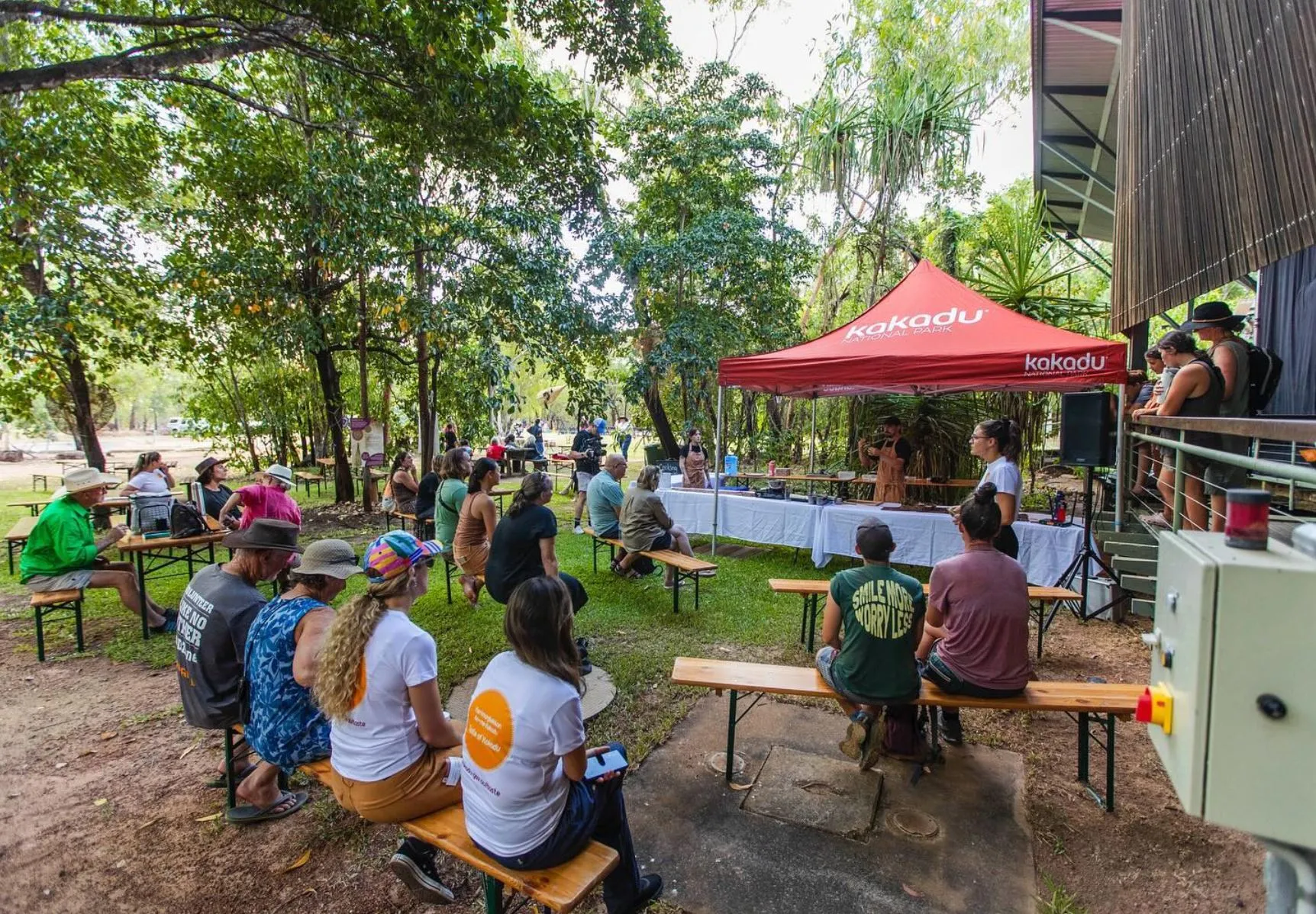
Before Kakadu was a national park the landscape was shaped by the pastoral industry, dairy farms and mining camps. Commercial hunting and crocodile shooting were once common and impacted saltwater crocodile and other species populations. Over time, conservation efforts, land claims and Aboriginal co-management brought an end to crocodile hunting and today the park is a sanctuary for many species. Some travellers extend their trip with a trip to Arnhem Land, another amazing destination just east of Kakadu, after completing a Kakadu tour from Darwin.
A Living Heritage: Why the Name Matters
The story behind Kakadu’s name is about people, language and land. The true meaning is not just in the name but in every part of the landscape, from rock shelters and isolated waterholes to abundant plant species and wildlife. Kakadu is a place where people in touch with nature can experience extreme heat, maximum temperature swings and see the impressive paintings that mark sites of ancient human presence.
FAQ
What does Kakadu mean?
Kakadu is derived from “Gagudju” the name of an Aboriginal language once spoken in this region. The name reflects the cultural heritage, dramatic landscape and true meaning tied to the Aboriginal people of the area.
What wildlife and habitats can I see in Kakadu?
Kakadu has hundreds of thousands of bird species, frog species, saltwater crocodiles, endemic plants and a wide range of animal life. You can explore rock outcrops, river banks, breeding grounds and beautiful waterfalls.
How did European settlers impact Kakadu before it was a national park?
Before protection Kakadu was dairy farms, mining camps, commercial hunting and crocodile shooting. These activities affected the range of wildlife and prompted the land claim process leading to conservation and co-management.
What’s unique about Kakadu’s seasons and climate?
Kakadu has a wet season (rain season) with plenty of water and a dry season with extreme heat and dry conditions. The climate extremes shape the animal and plant species in the park.
Why is Kakadu important to Aboriginal culture and to me today?
Kakadu’s name, paintings, art sites and people in touch with the land give me insight into the enduring culture of Aboriginal people and the unique natural world of one of Australia’s most famous national parks.